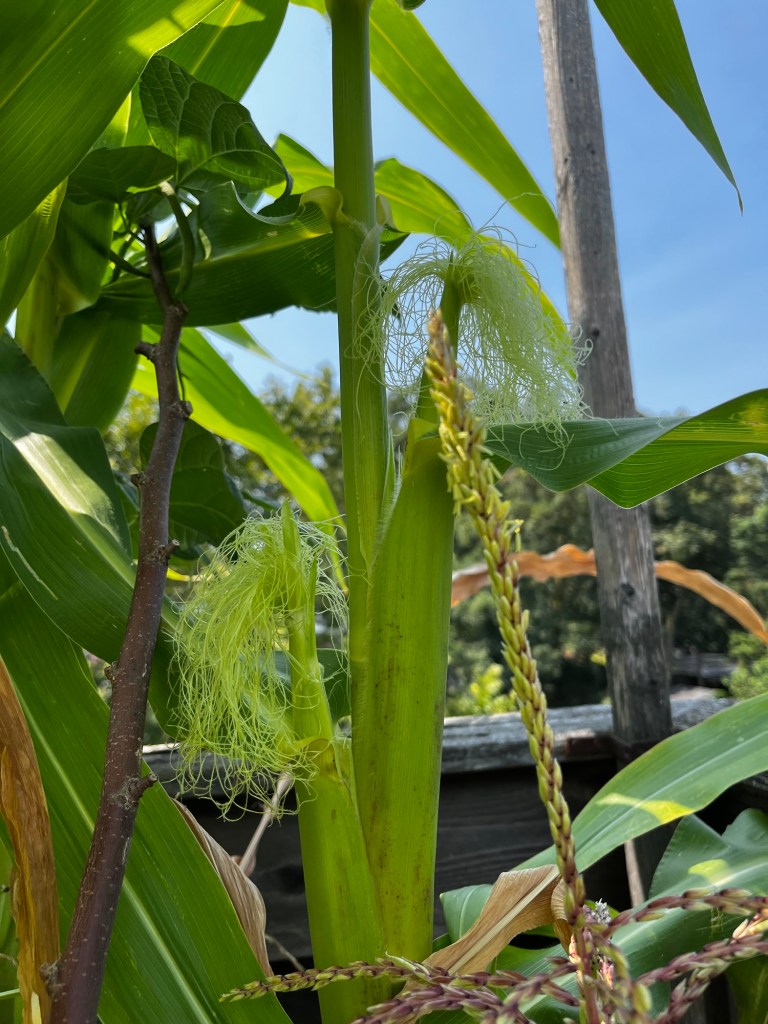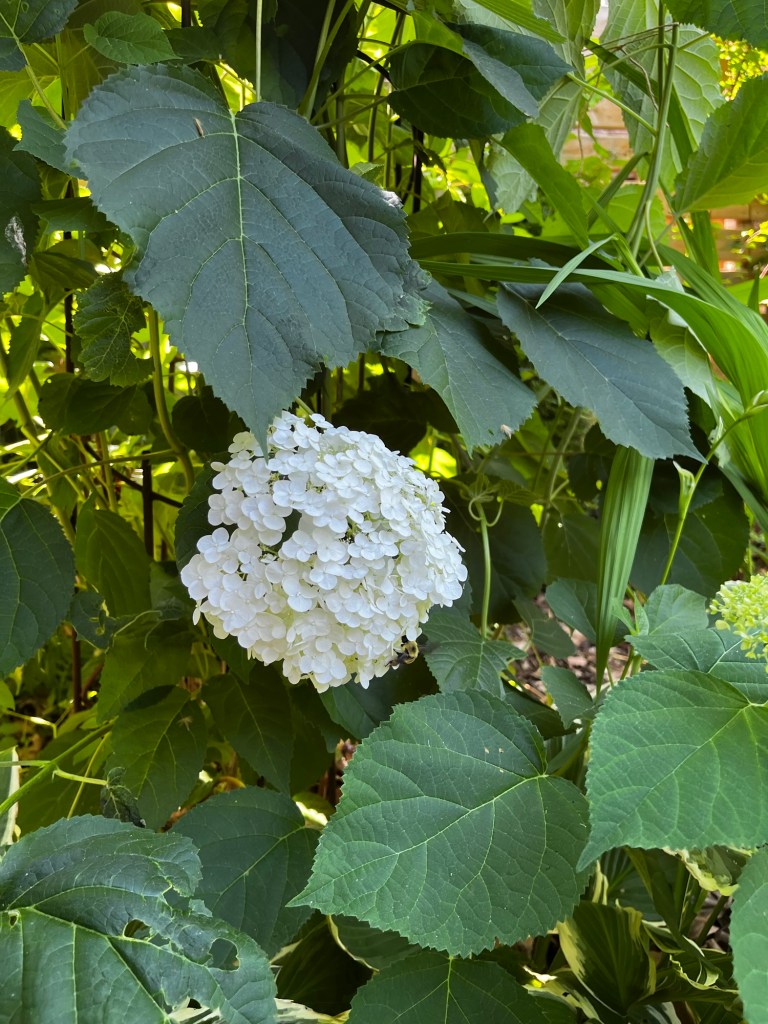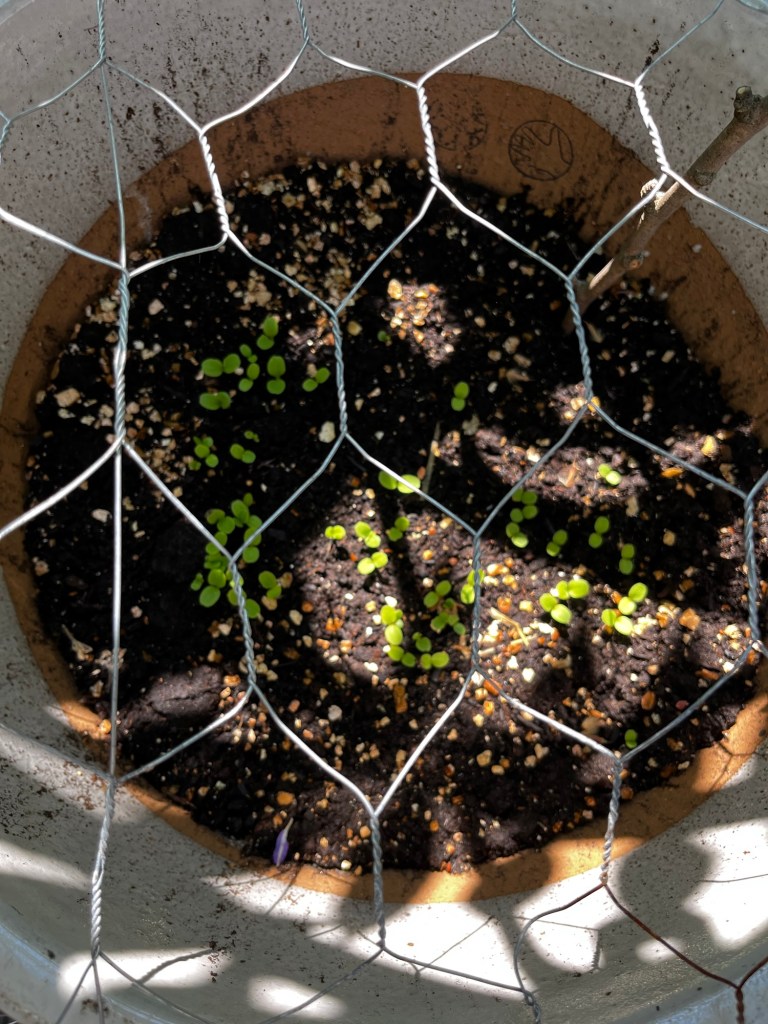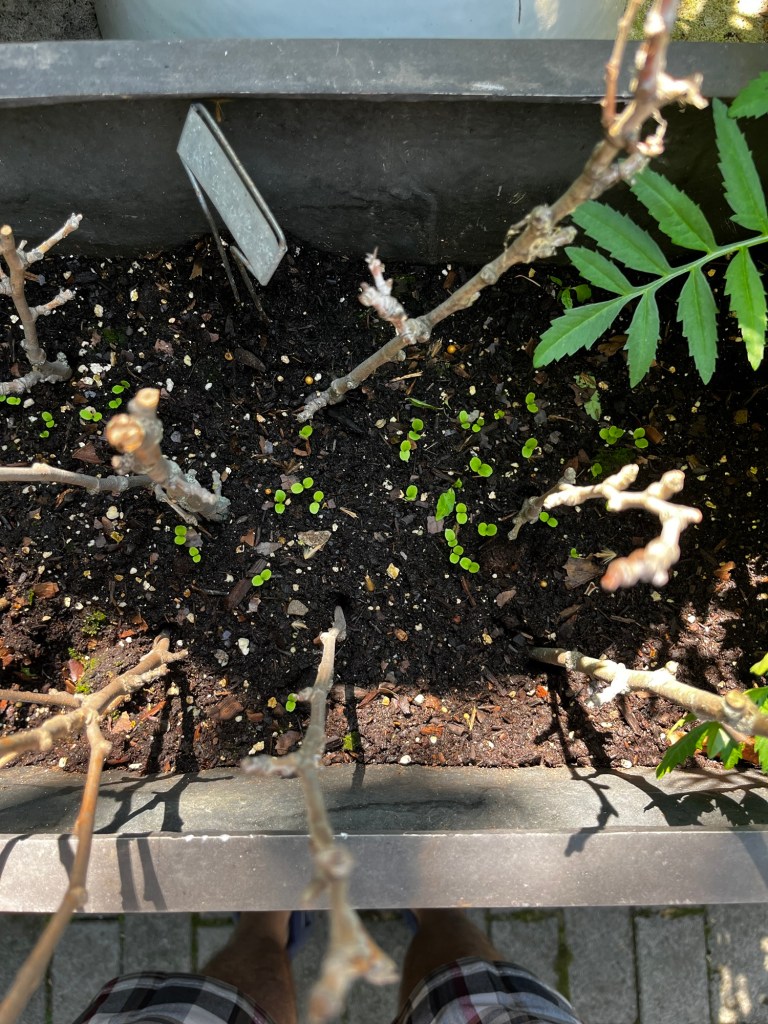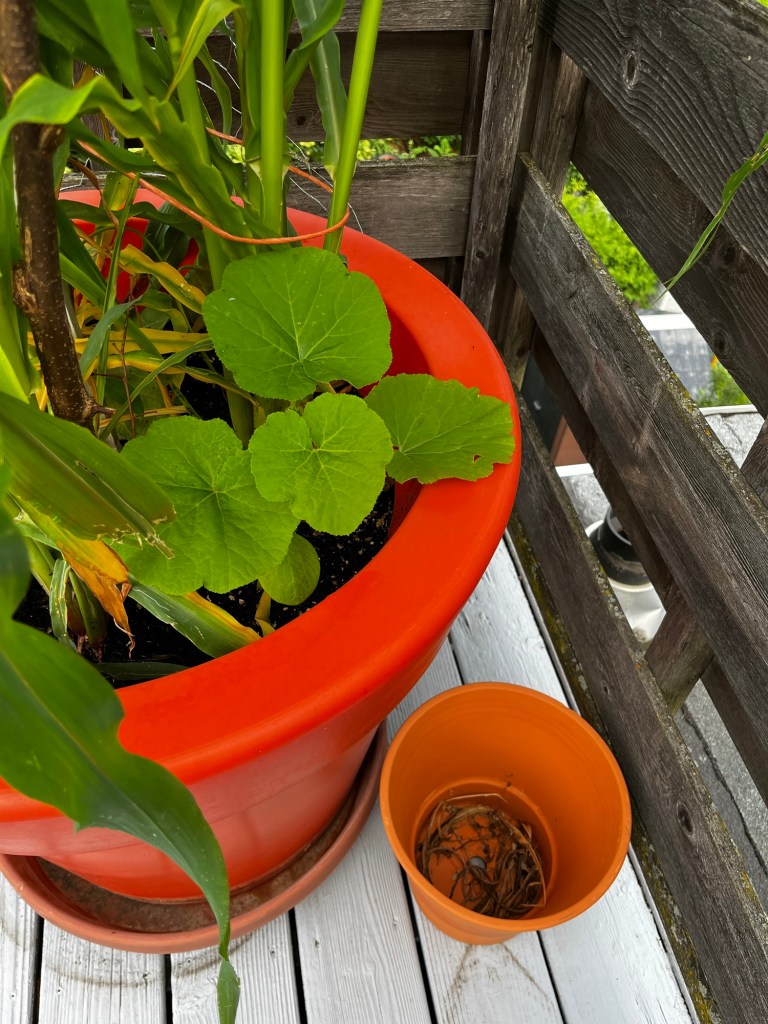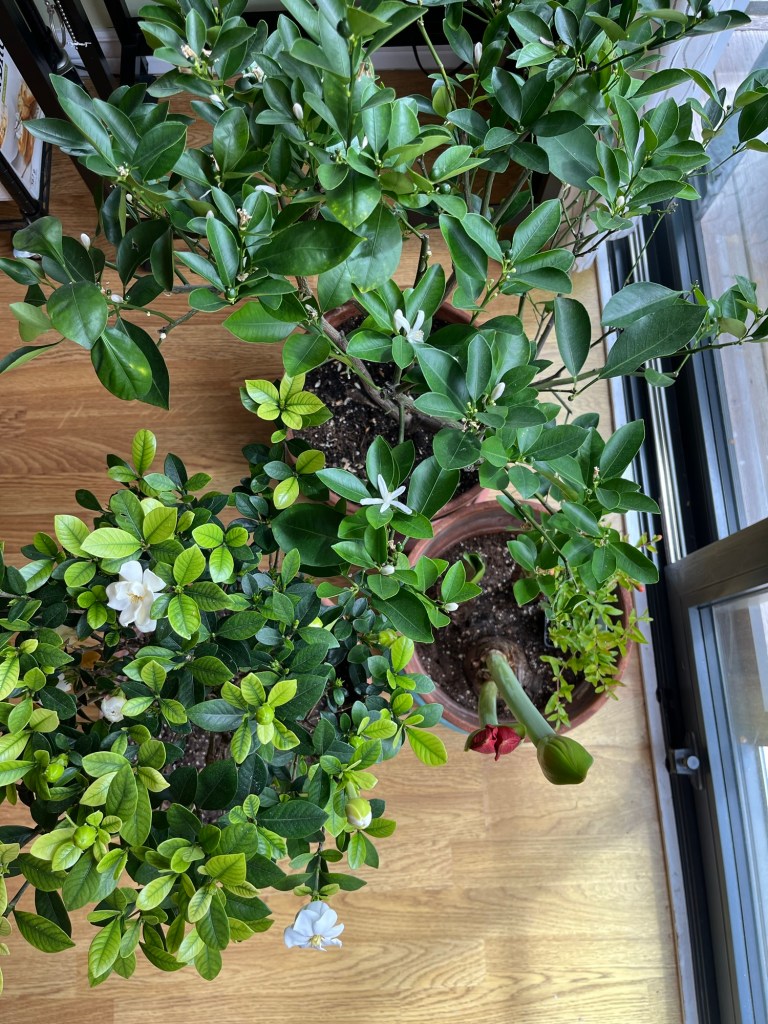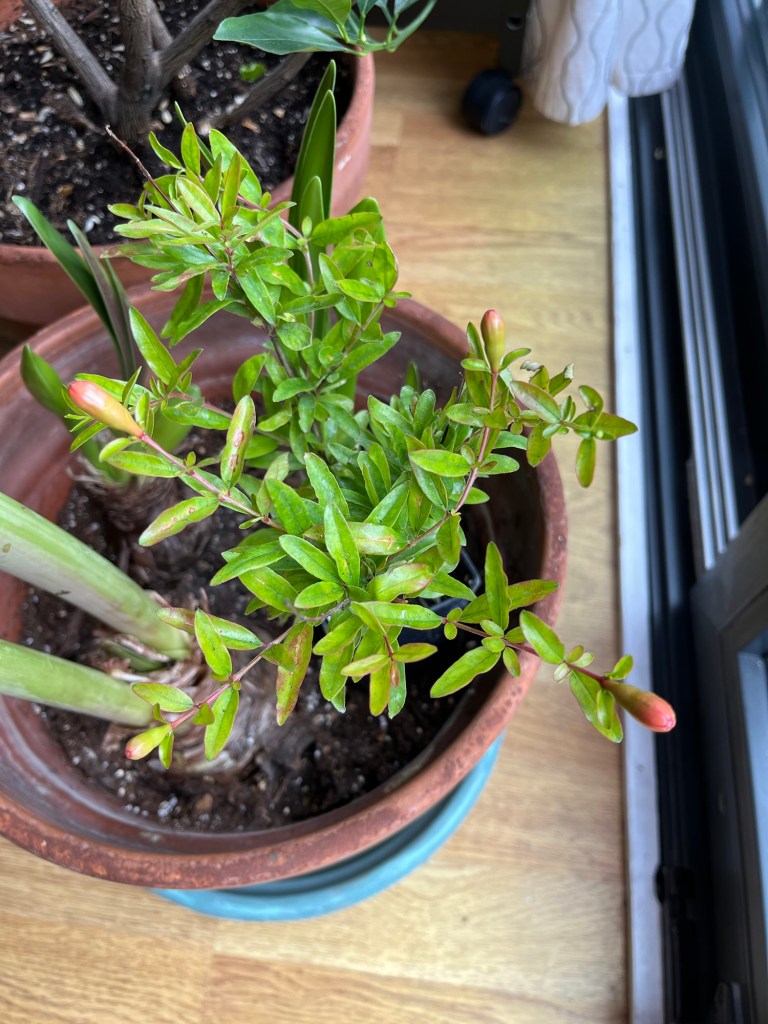
She actually opened two days ago. A few others are catching up.

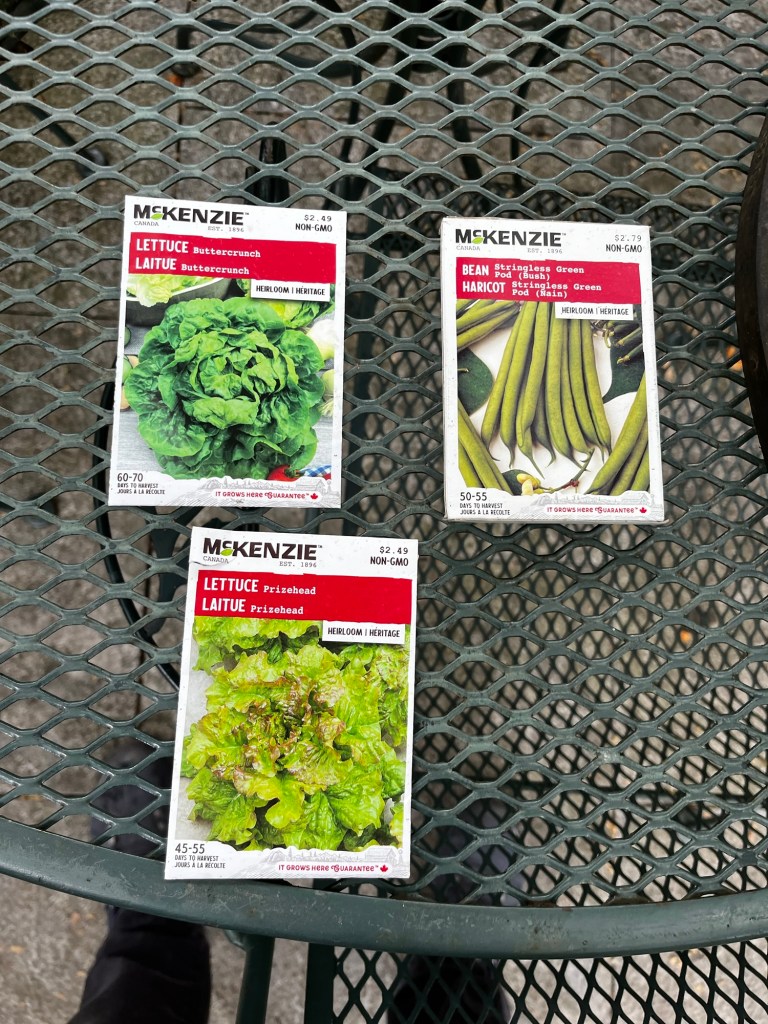
Good progress on the winter sowing, spinach, calendula are up and a few others have their first sprouts. So fun and easy!
She actually opened two days ago. A few others are catching up.

Good progress on the winter sowing, spinach, calendula are up and a few others have their first sprouts. So fun and easy!
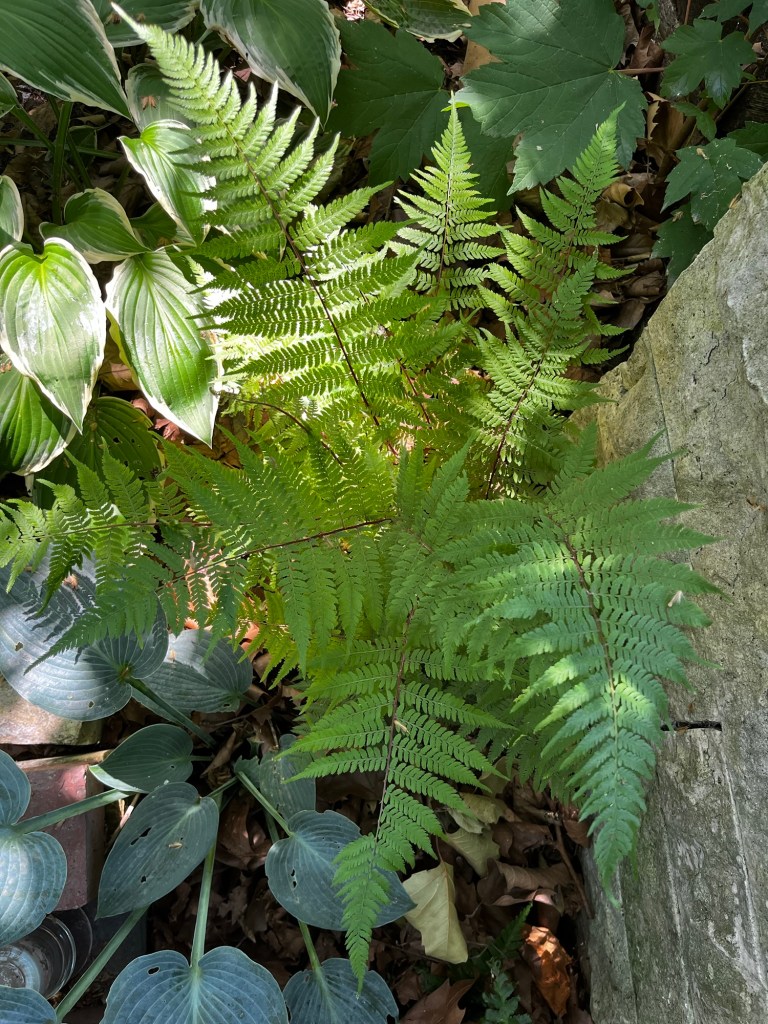
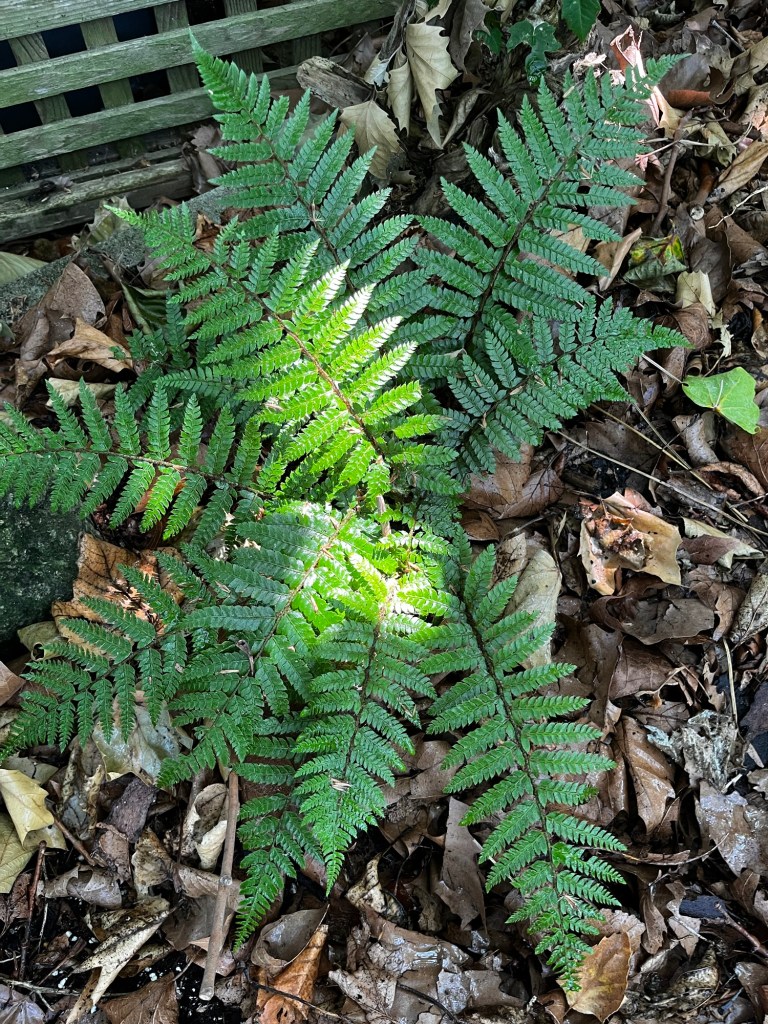
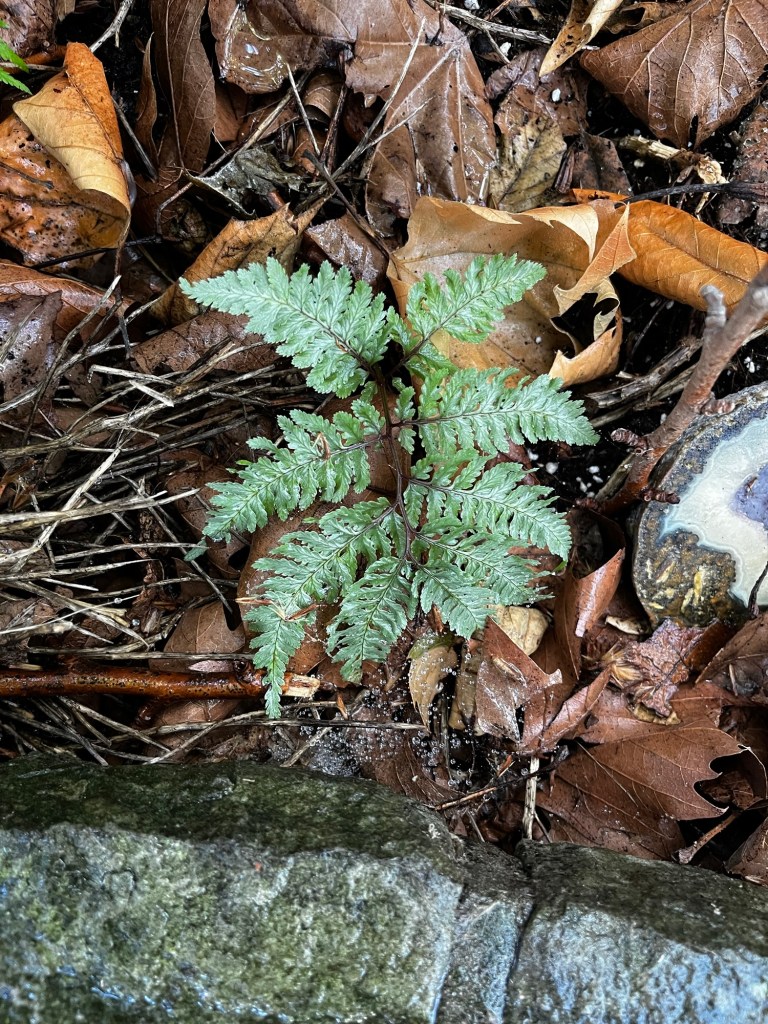
These folks have been growing here longer than I’ve been here for sure.

Solidago, commonly called goldenrods, is a genus of about 100[1] to 120[2] species of flowering plants in the family Asteraceae. Most are herbaceous perennial species found in open areas such as meadows, prairies, and savannas. They are mostly native to North America, including Mexico; a few species are native to South America and Eurasia.[1] Some American species have also been introduced into Europe and other parts of the world. Wikipedia


Hesperis matronalis is an herbaceous flowering plant species in the family Brassicaceae. It has numerous common names, dame’s rocket, dames-wort, dame’s gilliflower, night-scented gilliflower, sweet rocket, and mother-of-the-evening
These plants are biennials or short-lived perennials, native to Eurasia and cultivated in many other areas of the world for their attractive, spring-blooming flowers. In some of those areas, it has escaped from cultivation and become a weed species. The genus name Hesperis was probably given because the scent of the flowers becomes more conspicuous towards evening (Hespera is the Greek word for evening).[3] Wikipedia

Viola, commonly known as the violets, is a genus of flowering plants in the family Violaceae. It is the largest genus in the family, containing over 680 species. Most species are found in the temperateNorthern Hemisphere; however, some are also found in widely divergent areas such as Hawaii, Australasia, and the Andes.
Some Viola species are perennial plants, some are annual plants, and a few are small shrubs. Many species, varieties and cultivars are grown in gardens for their ornamental flowers. In horticulture, the term pansy is normally used for those multi-colored large-flowered cultivars which are raised annually or biennially from seed and used extensively in bedding. Wikipedia


It’s been unseasonably cold so far this spring. It’s not holding back the hardy folks. Love this hellebore. From Canada Blooms many years ago. It’s looking happy
Finally moved the bush cherries. The scraggy looking ones in front of the goji berries. Not much root to them and what they have are pretty gnarly. They even appeared to have been planted too deep.

From the Farmer’s Almanac Nature’s “signs” are different in every region; however, you should still relate to these examples:

Yes it’s officially spring. So giving winter sowing another go after last year’s success. Love it. Basically mother nature does all the work. I just plant the seeds of cold hardy plants, put them in a big container and put the outside in a spot that only gets indirect sunlight. Check every couple of weeks and the seeds wake up naturally at their own pace. Once all risk of frost is passed the lids come off. Plants are ready! No lights, no leggy plants and no hardening off. Fantastic

Key is to give every thing a good cleaning first.


Incredible. Indescribable. At about 4:30 the head of the snake appears along the left side of the Temple. It wasn’t a total clear sky, still special to greet spring as people have for 1300 years.
Last weekend Toronto got as much snow as all of last year.

We were in Cape Breton so most of the front was cleared by our wonderful neighbours.

And it’s been very cold so the sycamore’s split has reappeared.

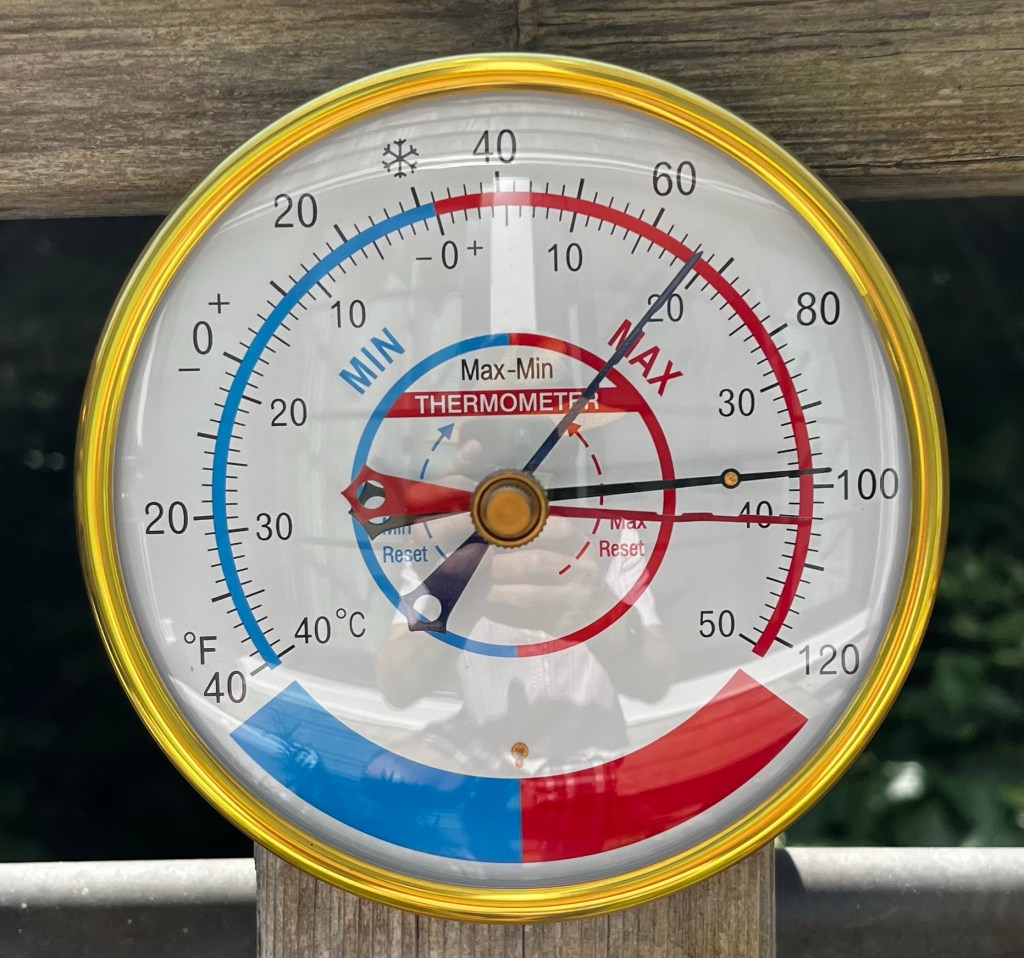
Made it through the coldest days of winter so far. We’ve had a few days with daytime temperatures in the low teens. Wind chill in some spots -23 degrees C


And good luck for the crazy year ahead.
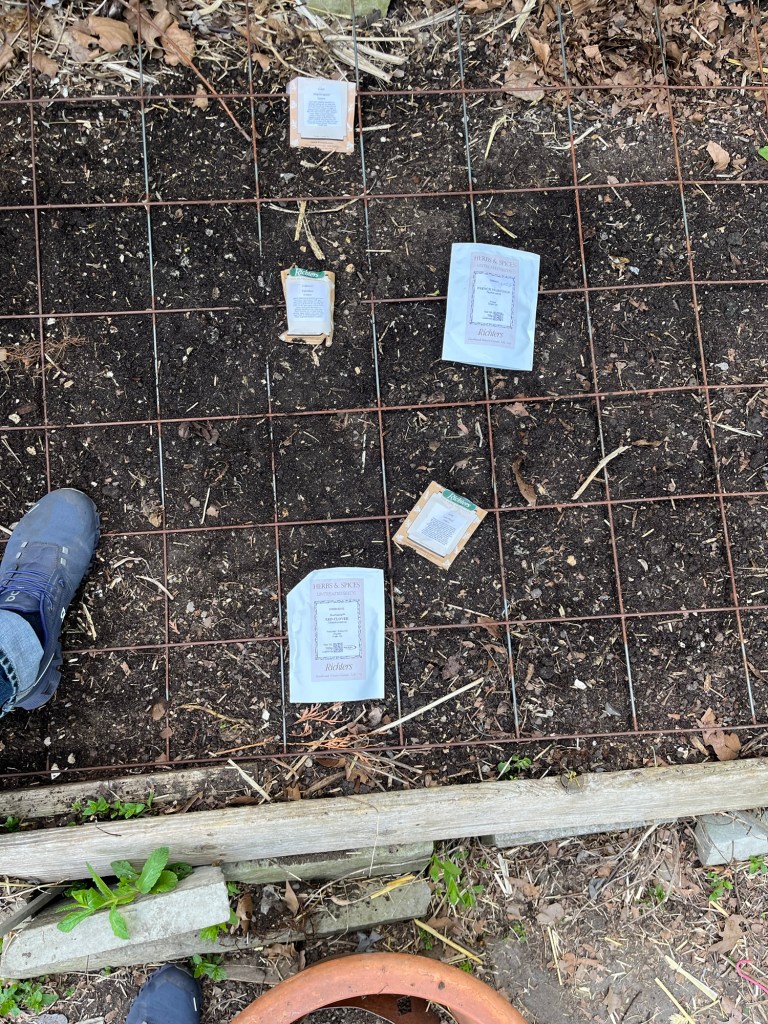
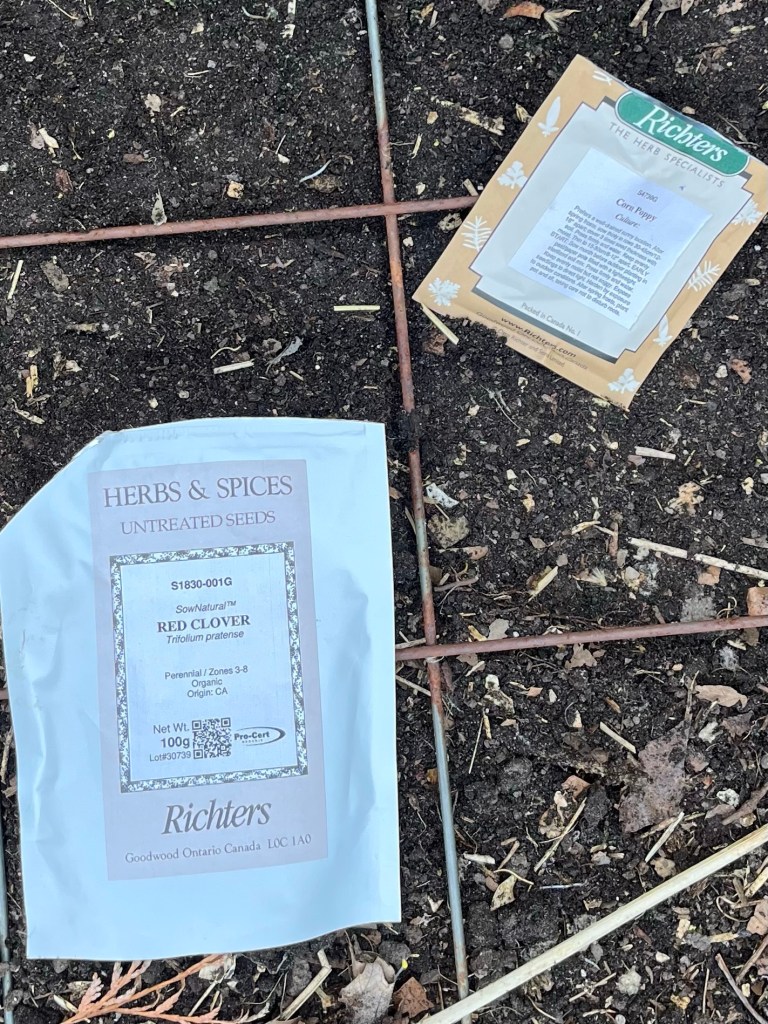
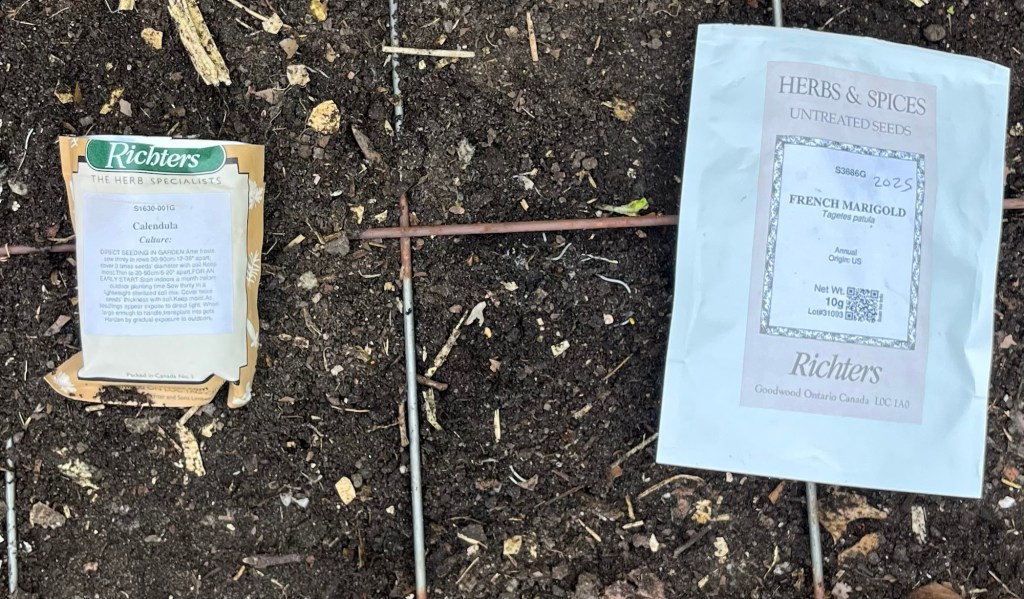
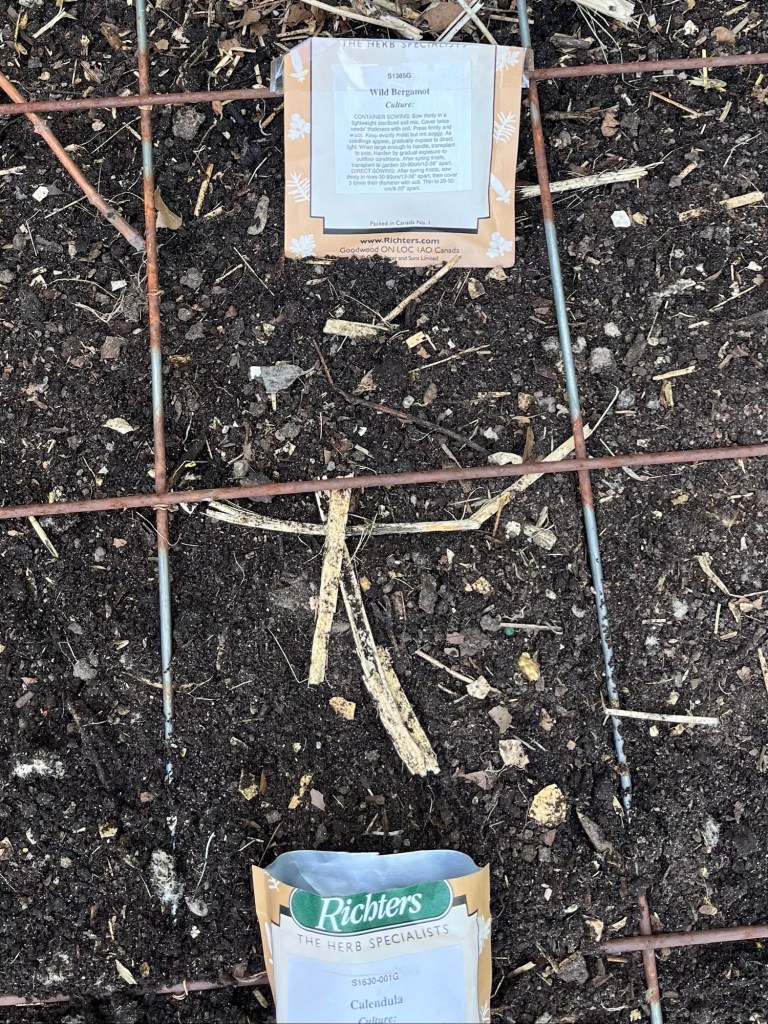
First seed order has arrived from Richters. If it works out the veg bed will be a riot of annual colours. A brave attempt to be joyful given I need to take a year or two off of garlic , cucumbers, potatoes and maybe even tomatoes to hopefully eliminate some nasty creatures and mildew that has become problems.

And it snowed last night. A really pretty snow. I couldn’t shovel because of my shoulder. Boo hoo.

Only 68 days until spring!

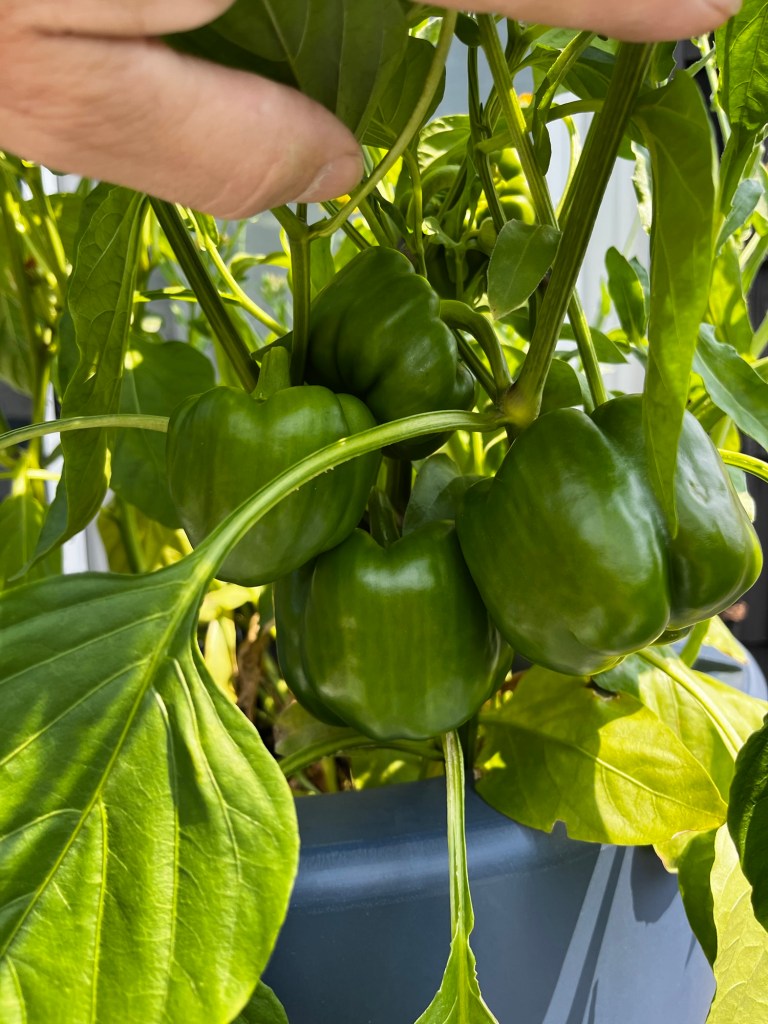
If I had any idea the vegetable garden was going to perform so poorly this year, I would not have bothered at all.
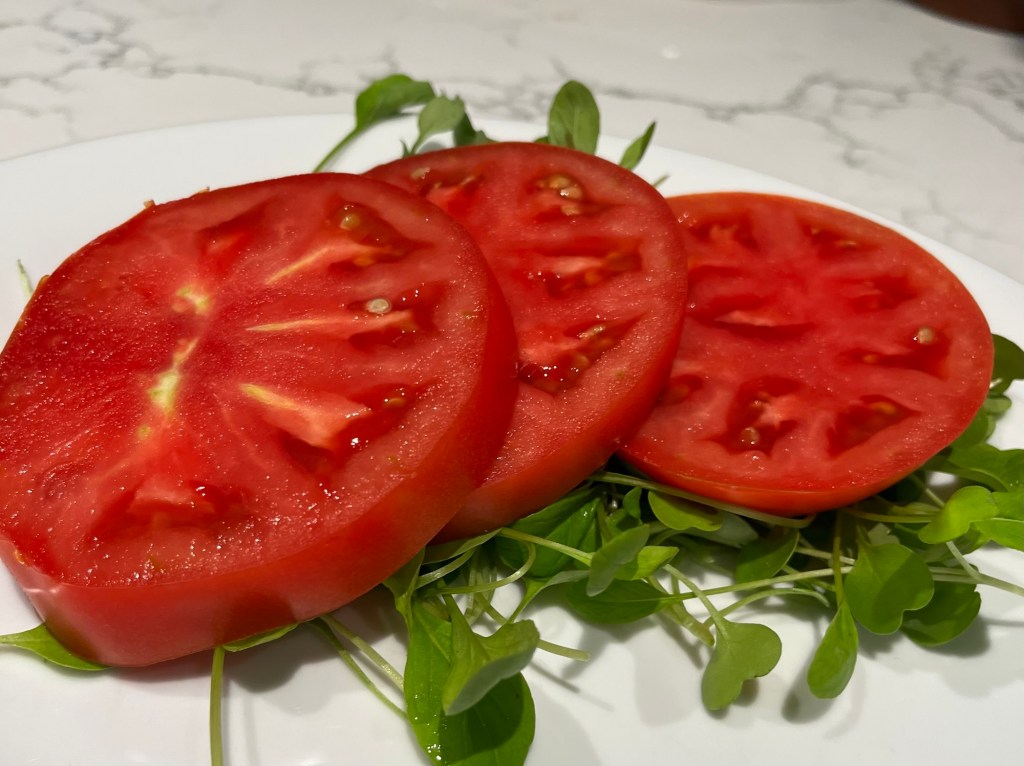
The weather was particularly bad. It started off with a really hot May and June. July was the wettest historically. August was incredibly hot and humid. September was no rain at all except for one major flooding rain storm. Powdery mildew covered almost everything. The spring peas absolutely fried on the vine. I only got about a dozen cucumbers before the mildew got into those and to add insult to injury I only got about 20 tomatoes.
Thinking of letting it go fallow next year. Not quite sure what kind of cover crop to put in, might end up just doing the whole plot in annual flowers and take joy in that.